Physics

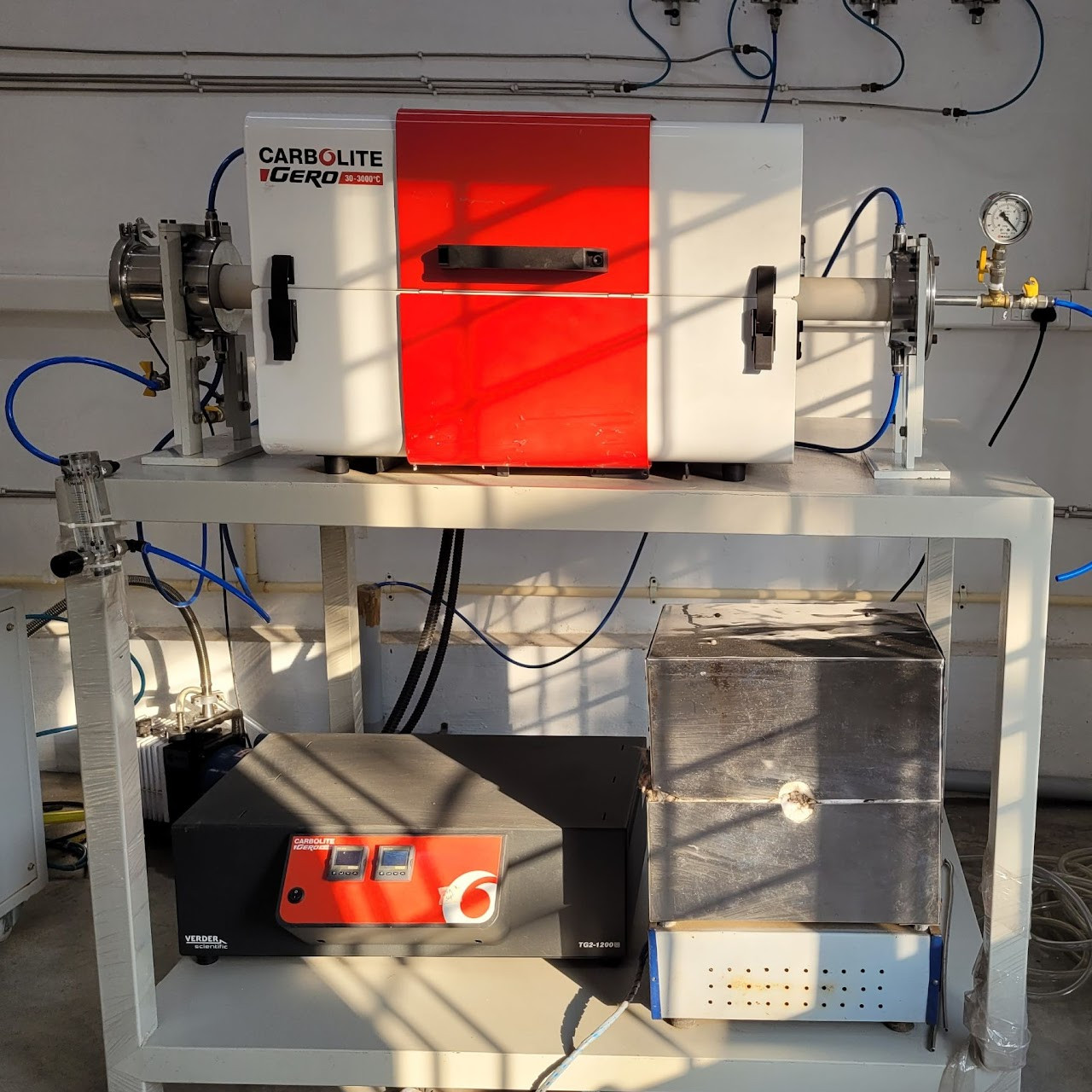
This Gradient Tube Furnace is a specialized 1200°C two-zone system designed for single crystal growth via the Chemical Vapor Transport (CVT) method. It allows for a precise temperature gradient of 200°C over a 22 cm span by utilizing two distinct 20 cm heating zones. With controlled gas flow options and ultra-slow cooling capabilities of 1°C/hour, it is perfectly suited for synthesizing high-quality materials under strict thermal conditions.

Location
MSP Lab, Nila Campus
Faculty In-Charge
Contact Details
smanni@iitpkd.ac.in
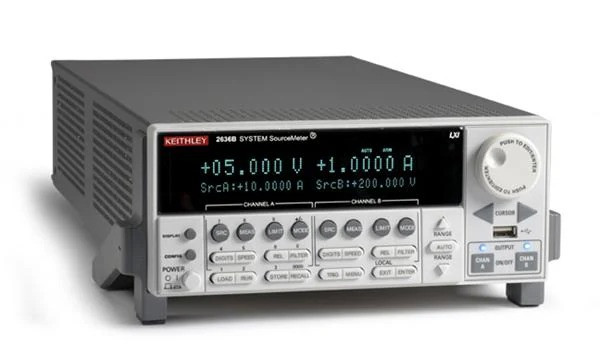
The Keithley 2636B is a high-performance System SourceMeter™ instrument designed for precision DC and pulse testing with flexible four-quadrant source and sink operation. Each channel delivers up to 30.3 W of power, supporting voltage outputs up to ±202 V and current pulses as high as 10 A. Engineered for advanced automated testing, it features an embedded Test Script Processor (TSP™) for high-speed execution without host intervention and offers exceptional measurement sensitivity with resolutions as fine as 0.1 fA (100 aA).

Location
CIF
Faculty In-Charge
Contact Details
jayakumar@iitpkd.ac.in

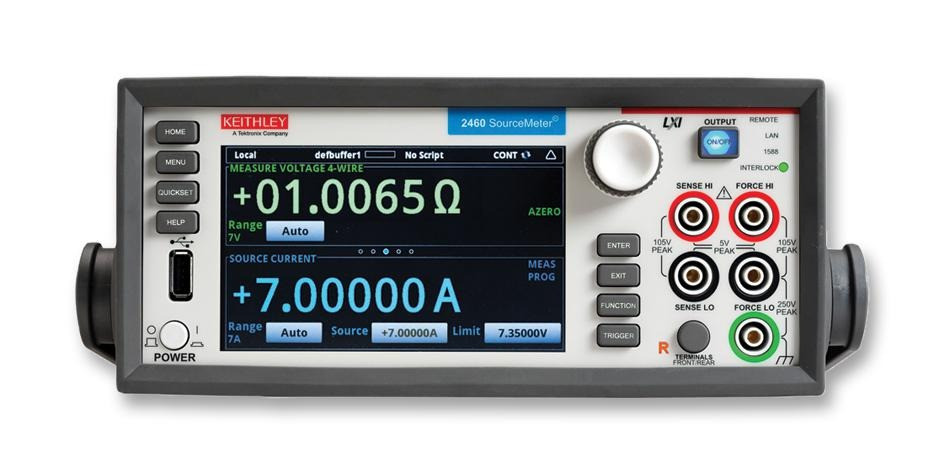
The Keithley 2460 SourceMeter® SMU is a 100V, 7A, 100W instrument designed to characterize high-power materials and devices such as SiC, GaN, DC-DC converters, and batteries. It features four-quadrant source and sink operation, effectively combining the capabilities of analyzers, curve tracers, and I-V systems into a single unit. With a 5-inch high-resolution capacitive touchscreen and intuitive graphical user interface (GUI), the 2460 minimizes the learning curve while delivering precision results with 0.012% basic accuracy and 6½-digit resolution.

Location
CIF
Faculty In-Charge
Contact Details
jayakumar@iitpkd.ac.in

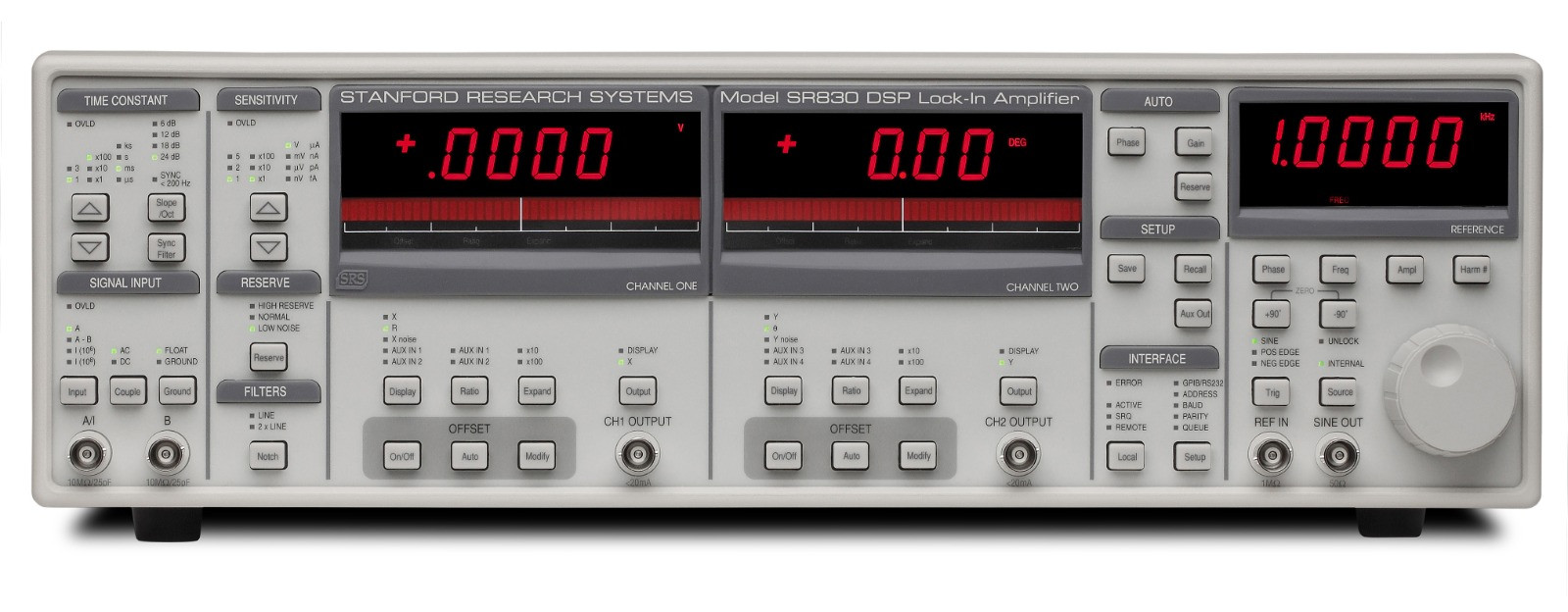
The Lock-In Amplifier (SR830) from Stanford Research Systems is a high-precision instrument designed to recover weak AC signals obscured by noise sources up to 100,000 times larger. Utilizing advanced Digital Signal Processing (DSP) to replace traditional analog demodulators, it offers completely drift-free performance with a dynamic reserve greater than 100 dB. Key features include a frequency range of 1 mHz to 102 kHz, simultaneous display of magnitude and phase, 0.01° phase resolution, and synthesized reference sources, making it an essential tool for optical, electrical, and materials science applications

Location
CIF
Faculty In-Charge
Contact Details
jayakumar@iitpkd.ac.in

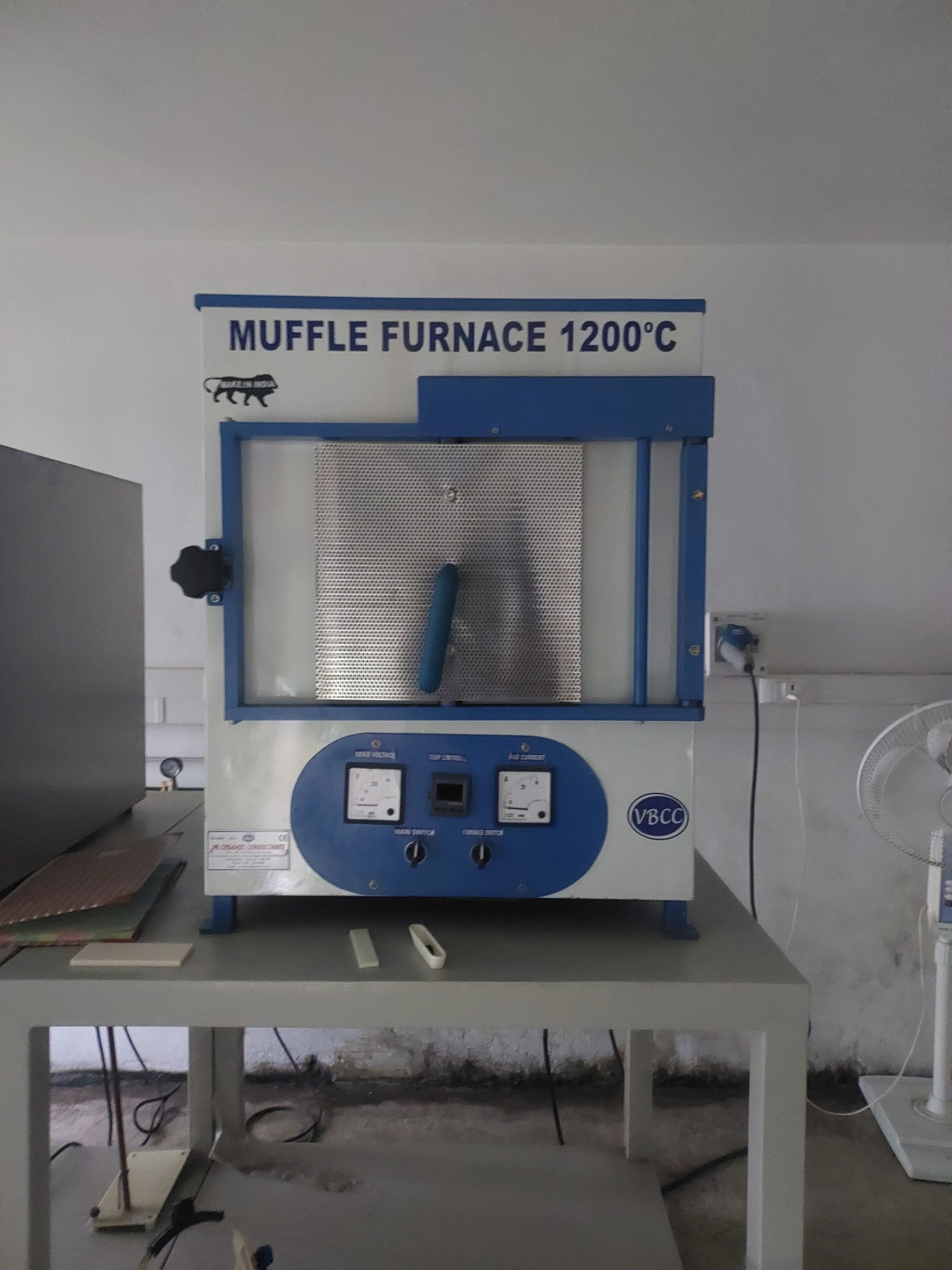
The 1200°C Muffle Furnace is a high-temperature laboratory furnace designed for general heat treatment applications . It features a heavily insulated chamber that provides uniform heat distribution up to 1200°C while isolating samples from direct contact with the heating elements. This equipment is essential for the consistent thermal processing of ceramics, metals, and other materials in an air atmosphere.

Location
MSP Lab, Nila Campus
Faculty In-Charge
Contact Details
phylab@iitpkd.ac.in

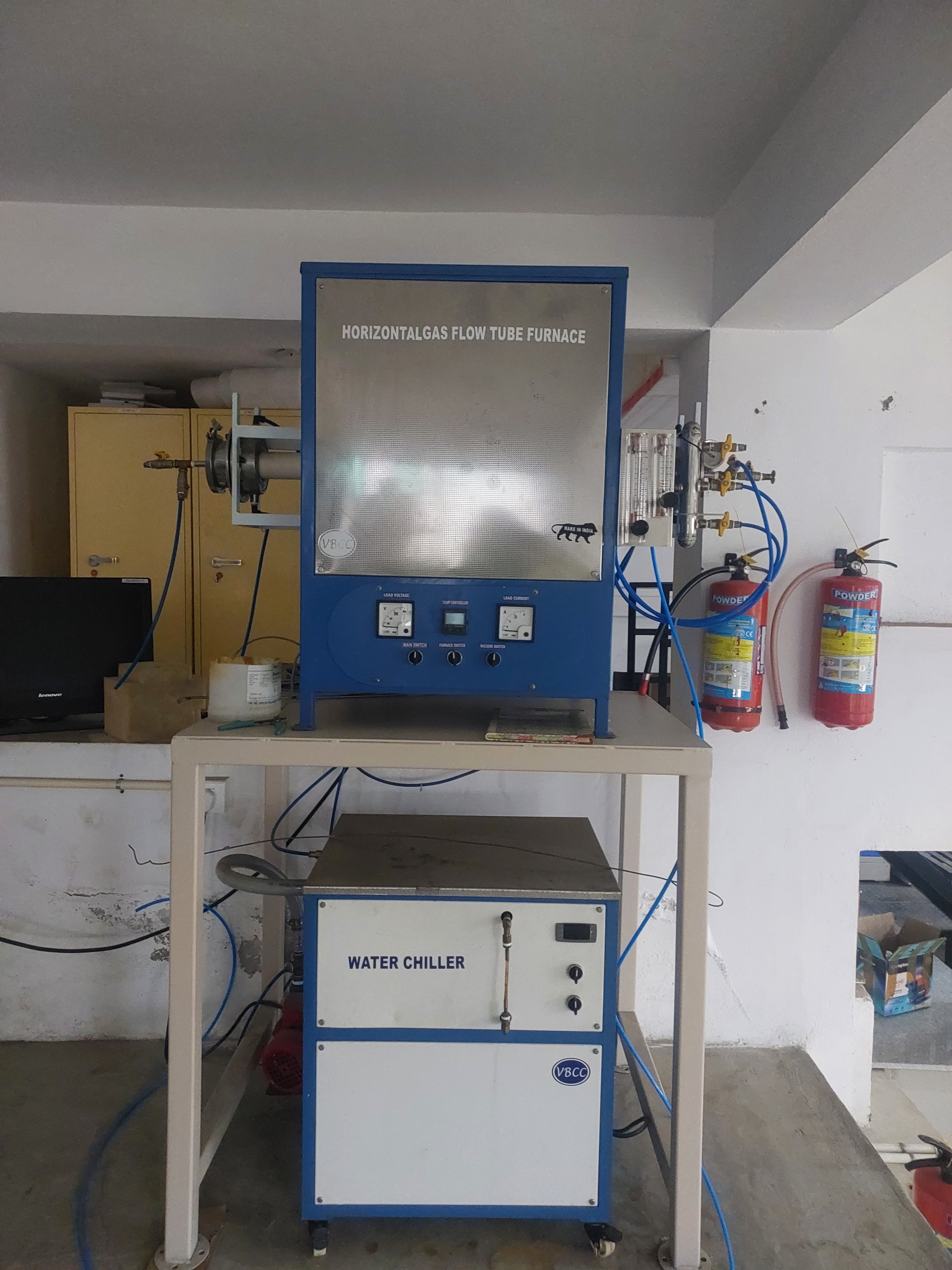
The VB Ceramics 1400°C Horizontal Gas Flow Tube Furnace is a high-performance system designed for material synthesis under controlled gas atmospheres. Capable of reaching extreme temperatures using Silicon Carbide elements, it allows for the introduction of inert gases to prevent oxidation during heating. With programmable thermal control, this unit is ideal for calcination, sintering, and annealing applications in advanced materials research.

Location
MSP Lab, Nila Campus
Faculty In-Charge
Contact Details
phylab@iitpkd.ac.in

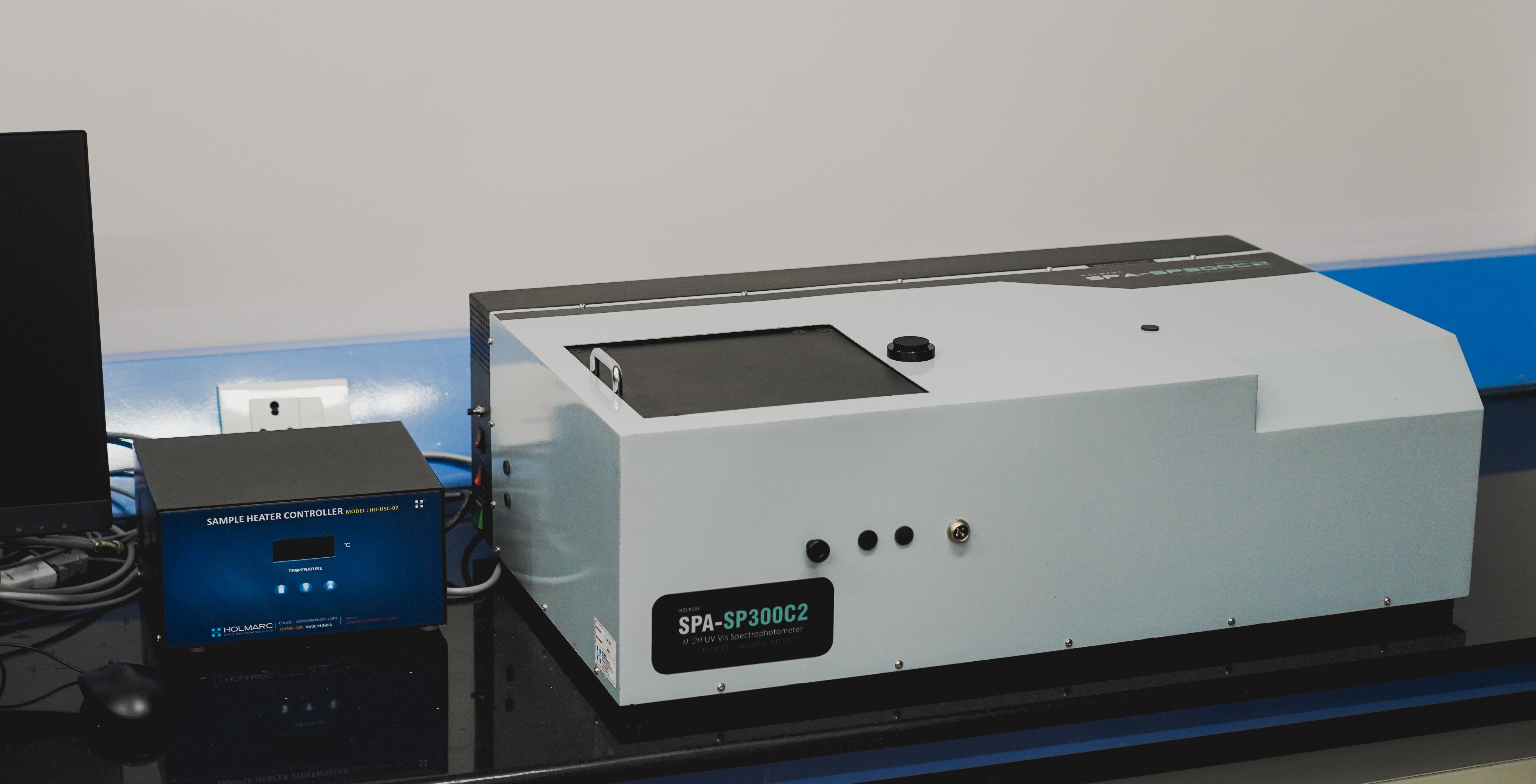
The Spectrophotometer (HO-SPA-SP300C2) is a specialized Theta 2 Theta Spectrophotometer manufactured by Holmarc, designed for the advanced optical characterization of thin films and materials. Unlike conventional spectrophotometers that typically measure at a fixed angle, this system features a precision motorized goniometer stage that allows for the measurement of reflection, transmission, and absorption at variable angles. It operates across a broad spectral range (UV, Visible, and NIR) using dual detectors (typically Si-photodiode and InGaAs) to analyze how light interacts with samples under different geometric conditions. By independently adjusting the angle of incidence (Theta) and the detector angle (2-Theta), researchers can use this equipment to determine optical constants, measure film thickness, and study the angular dependence of optical coatings and photonic crystals

Location
A01-008
Faculty In-Charge
Contact Details
phylab@iitpkd.ac.in

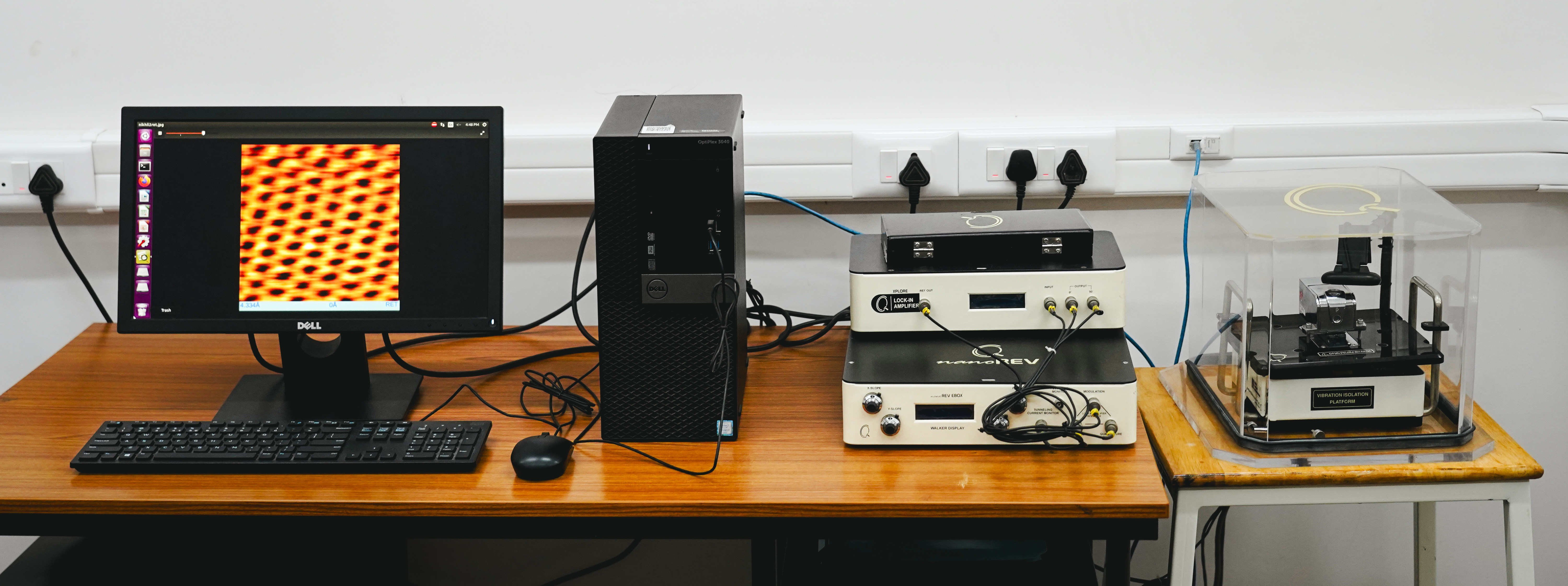
The nanoREV Air STM is a compact, table-top scanning tunneling microscope manufactured by Quazar Technologies, designed to bring atomic-scale imaging capabilities to standard laboratory environments without the need for ultra-high vacuum or massive vibration isolation systems. Operating in ambient air conditions, this instrument uses a sharp conductive probe to scan surfaces with picometer-level precision, allowing users to visualize individual atoms and molecular lattices. It features a highly stable mechanical design with integrated vibration isolation and an acoustic shield, which enables it to function reliably on a regular workbench. The system is capable of performing diverse characterization techniques, including constant current and constant height topography, as well as I-V spectroscopy to probe the local electronic properties of materials. With its user-friendly interface and simplified tip and sample exchange mechanisms, the nanoREV Air STM is widely used for both advanced nanotechnology research and educational demonstrations of quantum tunneling phenomena

Location
A01-008
Faculty In-Charge
Contact Details
phylab@iitpkd.ac.in

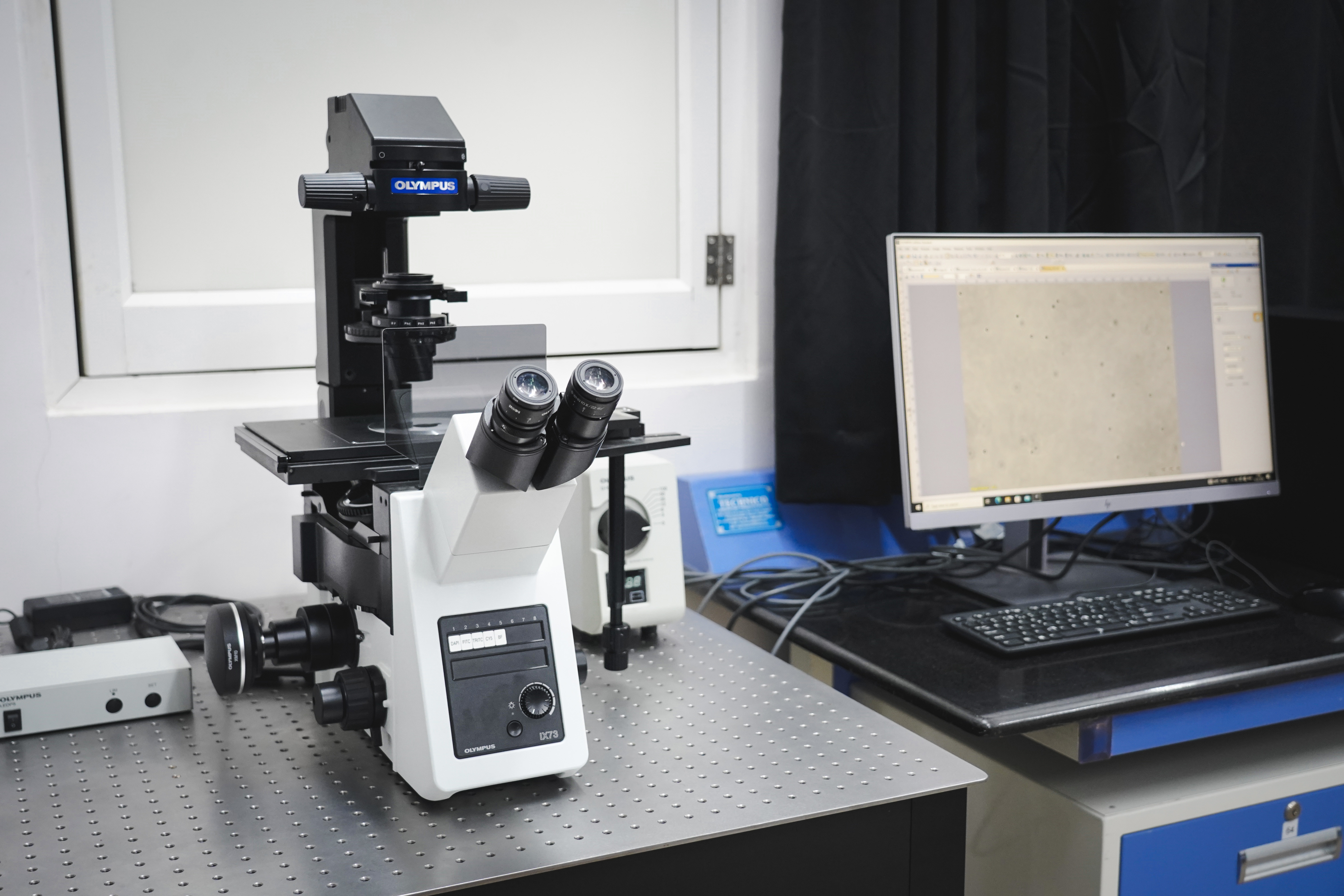
The IX73 is a high-end inverted microscope system manufactured by Olympus (now Evident), specifically engineered for advanced live-cell imaging and complex research applications. Its defining feature is a unique, expandable "deck" design that allows researchers to customize the optical path by inserting various modules—such as fluorescence turrets, magnification changers, or micromanipulators—without compromising the system's stability. Equipped with superior UIS2 infinity-corrected optics, the IX73 delivers high-contrast, high-resolution images, making it an ideal platform for demanding techniques like long-term time-lapse observation, in vitro fertilization (IVF/ICSI), and electrophysiology

Location
A01-008
Faculty In-Charge
Contact Details
phylab@iitpkd.ac.in

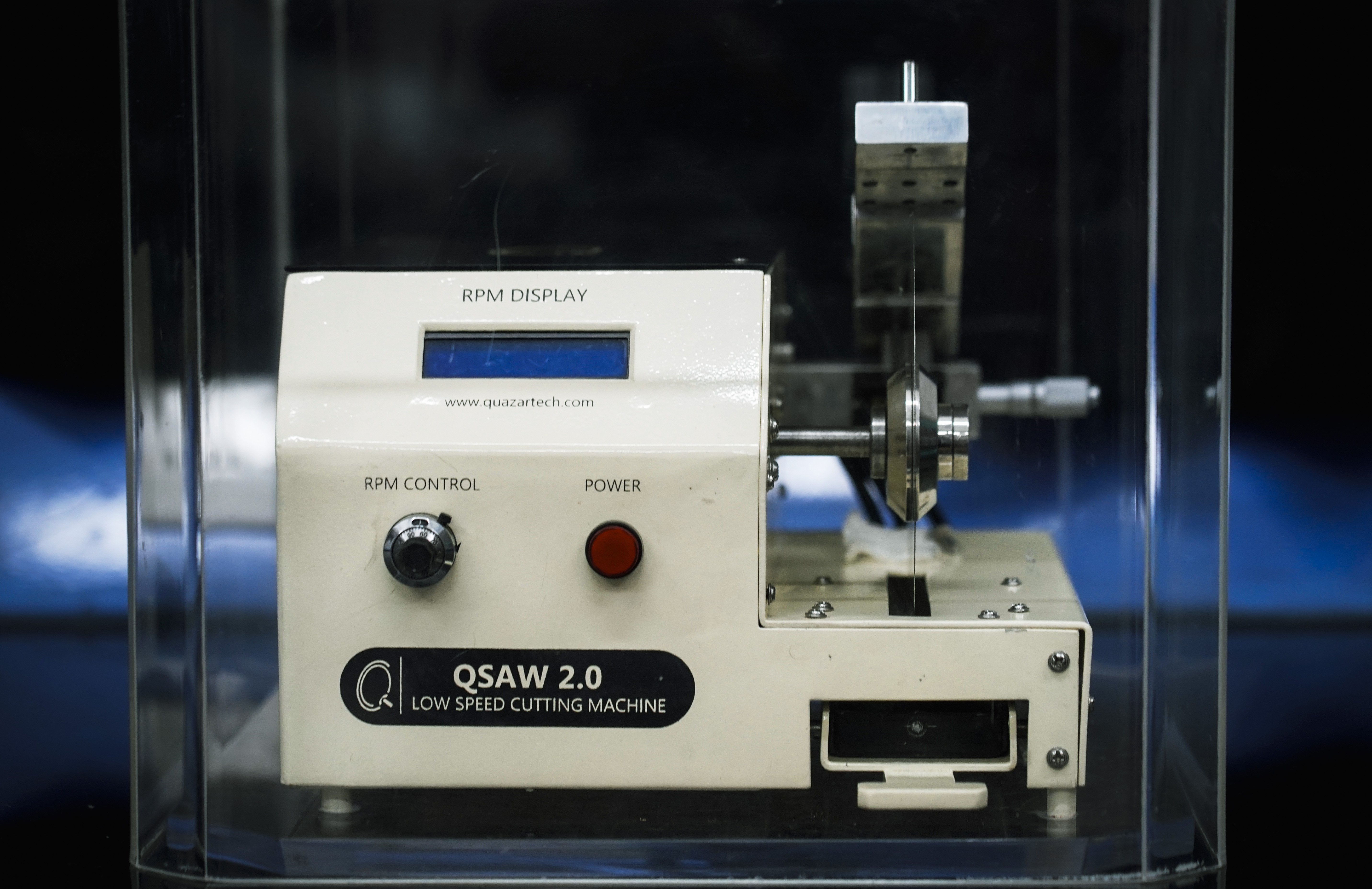
The QSAW 2.0 is a precision low-speed cutting machine manufactured by Quazar Technologies, specifically designed for the delicate sectioning and shaping of hard, brittle materials such as single crystals, ceramics, and glass substrates. Unlike standard high-speed cutters, this system operates on a gravity-fed mechanism with low variable speeds (0–200 RPM), ensuring that sensitive samples are cut with minimal thermal stress or structural damage. It is compatible with various diamond and abrasive blades and features a versatile vise system (linear, rotary, and angle) to hold irregular shapes, making it an essential tool for preparing defect-free specimens for microscopy and material characterization.

Location
A01-008
Faculty In-Charge
Contact Details
phylab@iitpkd.ac.in
Subscribe to Physics