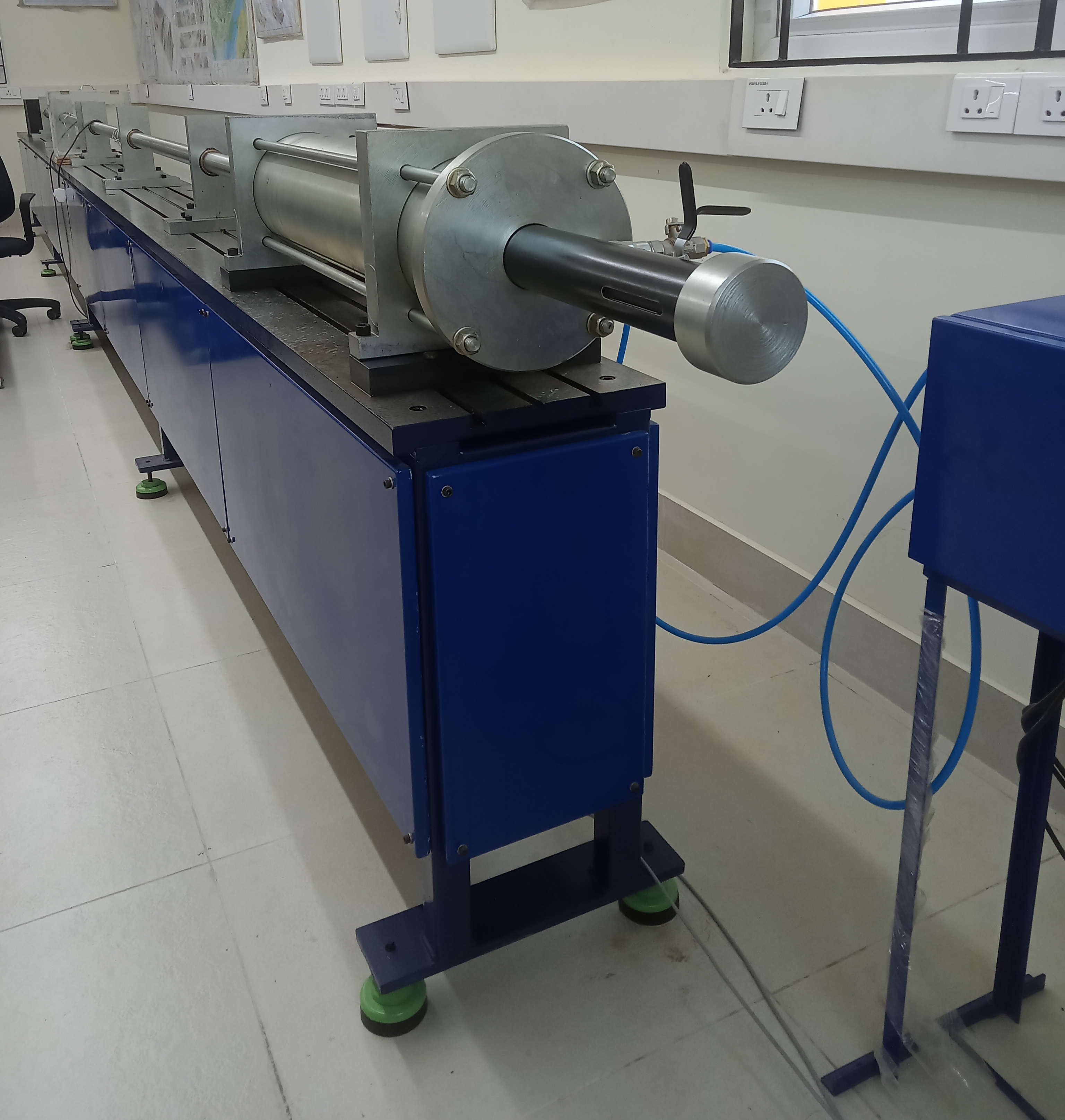
Used to assess the properties of materials, such as rock and concrete, under high strain rate.
Location
Civil Engineering Lab, Lab-5, Varghese Kurian Building, Sahyadri Campus
Faculty In-Charge

Used to assess the properties of materials, such as rock and concrete, under high strain rate.
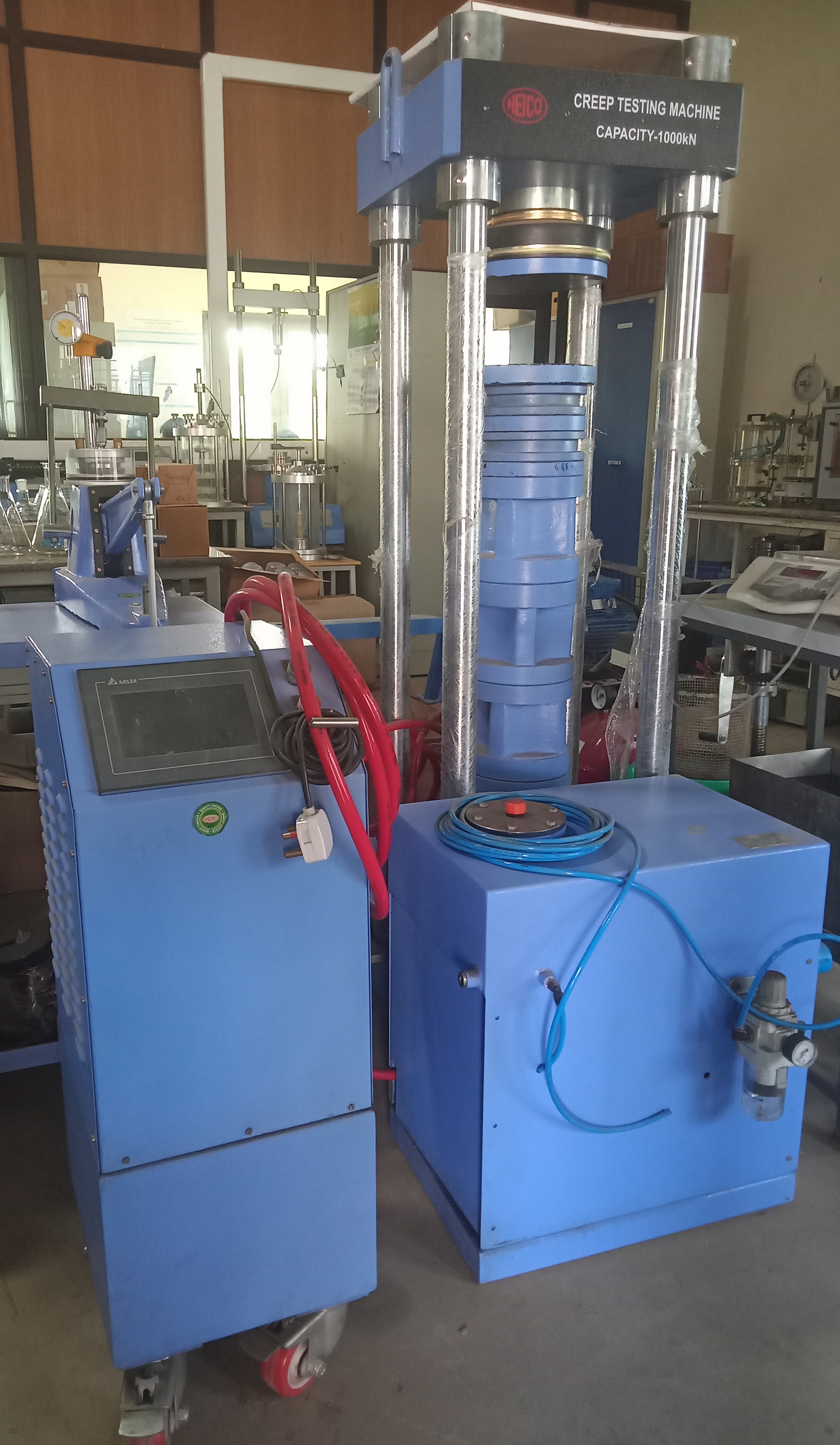
To study the time dependent material behavior of rock & concrete
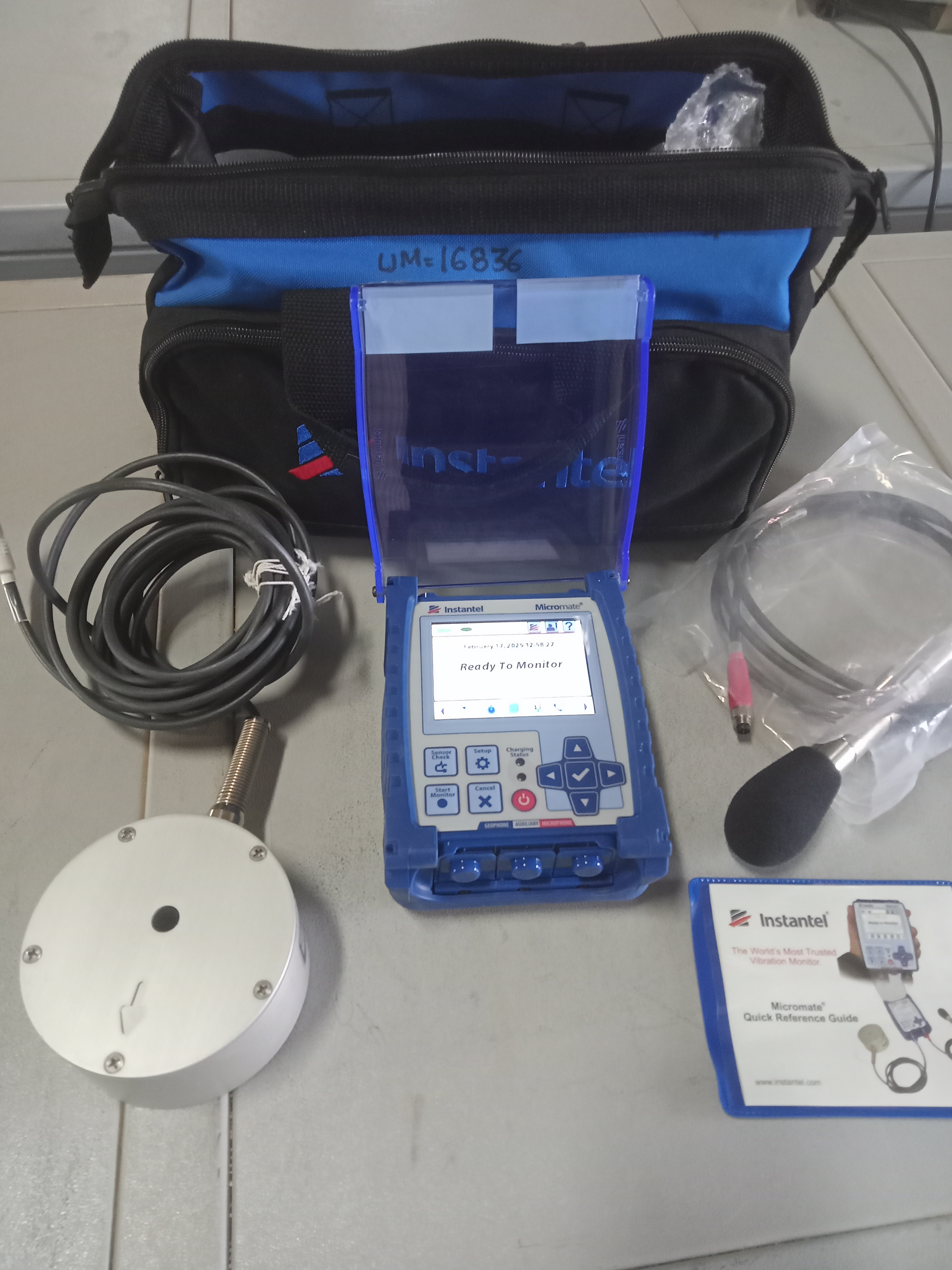
For the purpose of monitoring the sound/noise level, vibrations, and air overpressure that are associated with the construction and blasting.
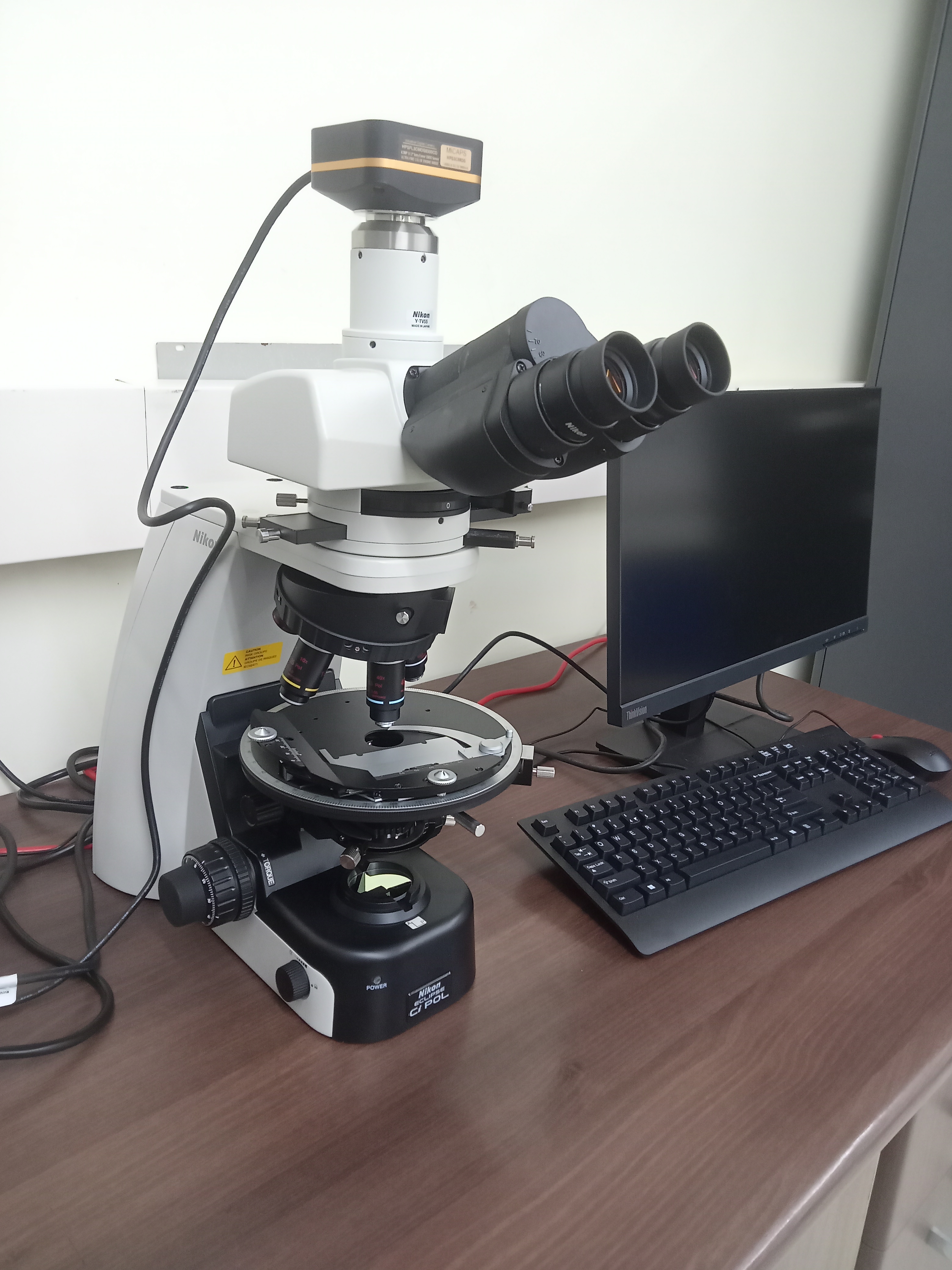
Compound upright microscope with for qualitative and quantitative
observations in bright field, dark field, and polarization modes using
transmitted illumination
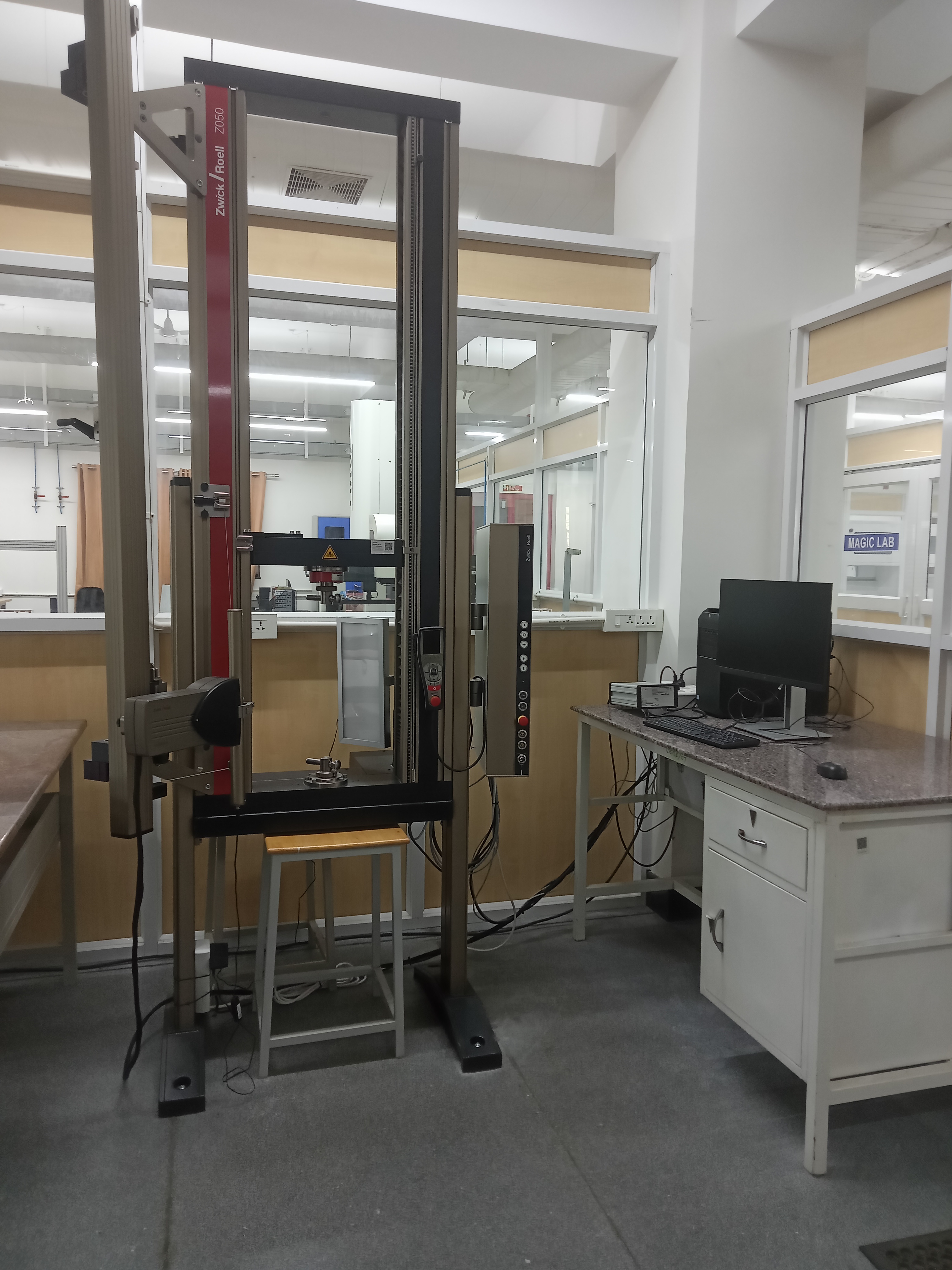
To study the Elevated temperature tests on geosynthetics with non contact measurements.
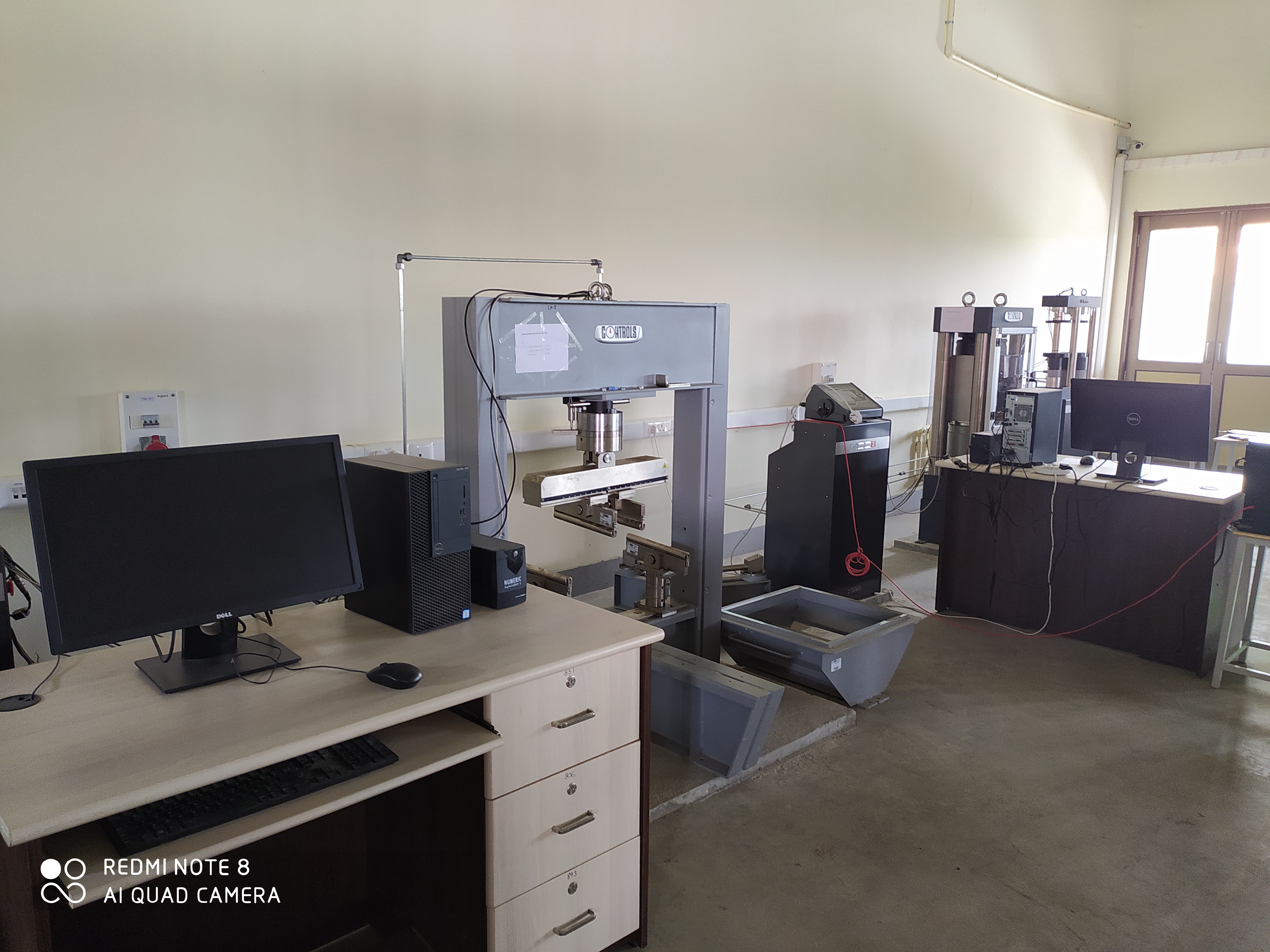
The Frames and the Controllers associated with this are used for Various compression tests, and Flexure tests on Cement, Concrete, Timber, Mortar Blocks, and bricks.
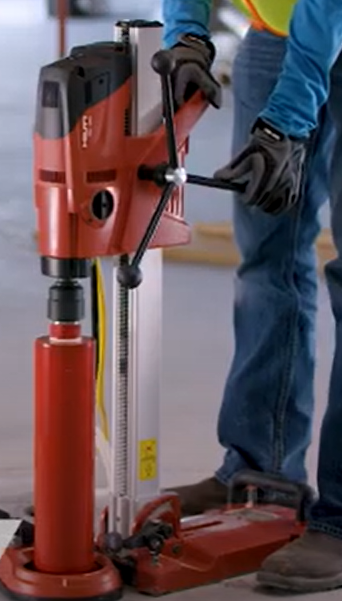
Compact but powerful diamond coring machine for rig-based concrete coring from 25-202 mm (31/32 – 7-15/16") in diameter
Diameter range: 25 - 202 mm
Base material: Concrete
Operation mode: Rig-based drilling system
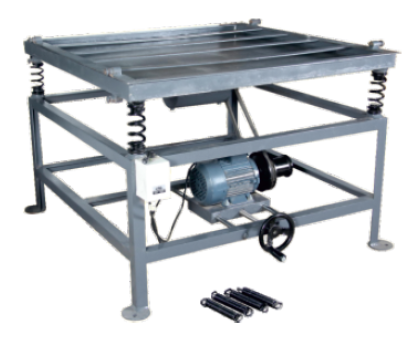
For compaction of concrete cube cylinders. The table deck size has stops along its edges to prevent moulds from walking off the table during operation. The variable pitch pulley arrangement permits the frequency to be varied steplessly between maximum of 3600 vibrations down to 2600 vibrations per minute. A speed regulation handle is provided for increasing or decreasing the frequency. The vibrator is mounted on cushioned steel vibrating deck. A switch is provided for starting the motor. Operation on 440 V, three phase, A.C. supply.
RELEVANT STANDARD : IS : 2514
VIBRATING TABLE VARIETY: 120 X 120 CM
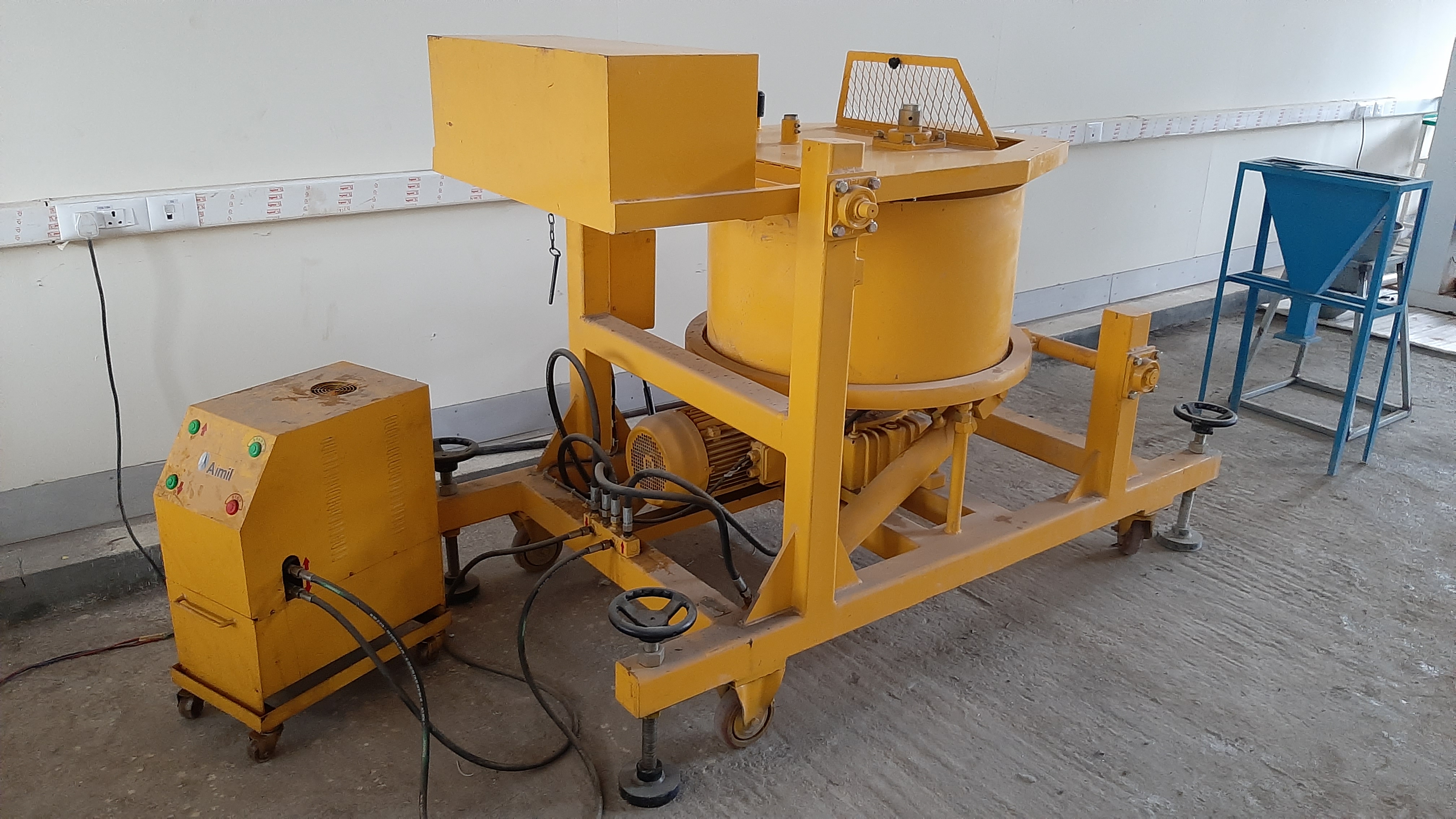
It is used for the preparation of Concrete Mixes
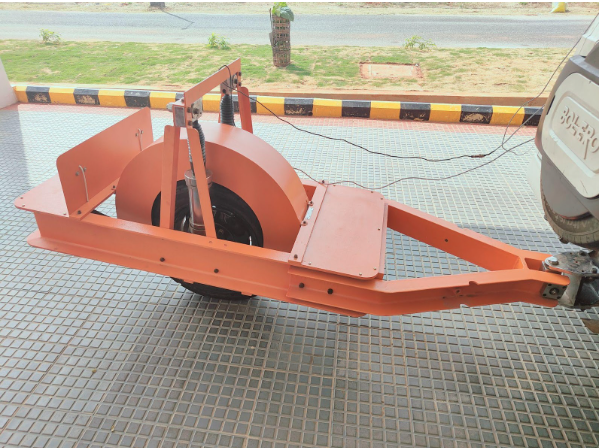
The Matest Gyrotronic Superpave Gyratory Compactor – EN replicates real field compaction to accurately assess the performance of asphalt mixtures. Fully automatic, it combines rotational motion and controlled vertical force, applied by a servo-regulated electro-pneumatic system. A rigid steel frame ensures exceptional angle stability, while a precision eccentric mechanism maintains a constant gyration angle of 0.82°, as required by EN 12697-10 and EN 12697-31

Address
Indian Institute of Technology Palakkad
Kanjikode | Palakkad
Kerala | Pin: 678623
Copyright ©2023 Indian Institute of Technology Palakkad. All Rights Reserved.